Your characters.
Their world.
Generated cover art, chapter illustrations, and character portraits that bring your fiction to life.
After Midnight
by Thea Langridge
Mireya Saldívar
Cinematic · Sensual
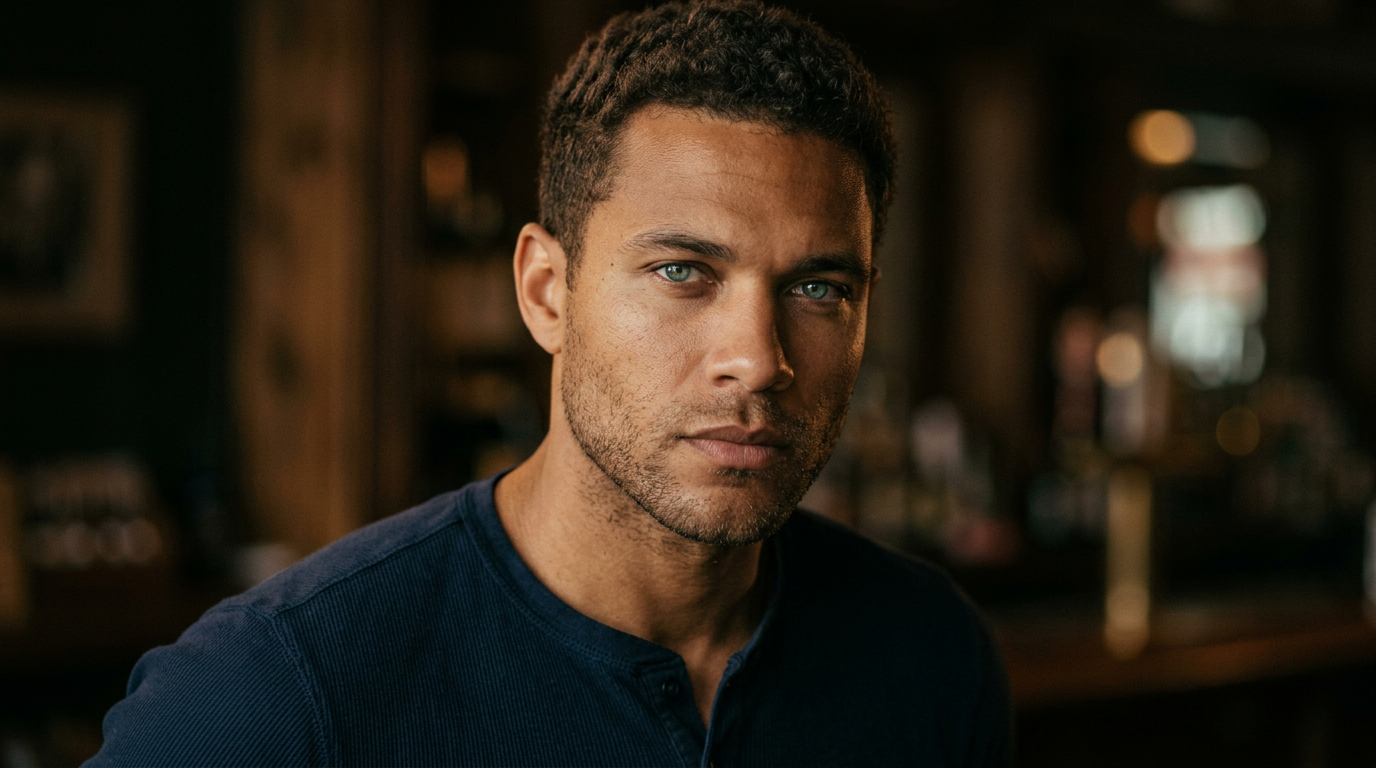
Niall Cavanaugh
Cinematic · Intense
After Midnight
by Thea Langridge
AI fiction has a visual identity problem.
Your characters already exist. Now they appear in every scene.
An illustration system built on your character portraits — covers, chapter art, and scene illustrations where your cast actually looks like themselves.
It starts with a face.
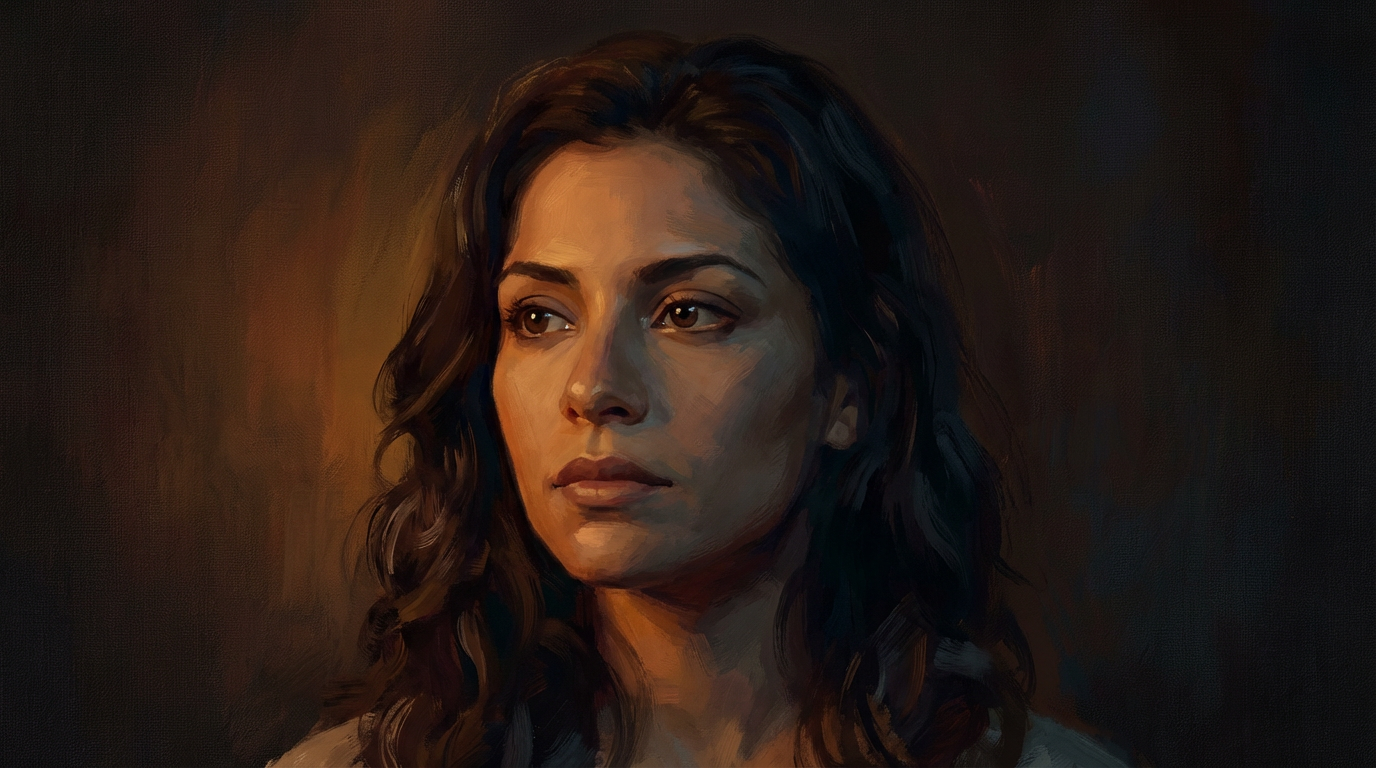
Character portraits aren't just profile pictures — they're the visual foundation the entire illustration system builds on. Choose from five art styles and three mood presets to define how each character looks. That portrait then becomes the visual reference the system uses every time your character appears — on covers, in chapter art, in shared reading mode. One portrait, consistent recognition everywhere.
Portraits are always tasteful and non-explicit, regardless of character details.
Covers that know your characters.
Cover art is generated from your story's premise and cast. The system references each character's portrait so the people on your cover actually look like the people in your story — not generic silhouettes or random faces. Titles are composited over the art automatically, and the cover is ready to share the moment you accept it. No design tools. No guesswork. A cover that belongs to this story and no other.
After Midnight
by Thea Langridge
Mireya Saldívar
Lead · Cinematic portrait
Niall Cavanaugh
Lead · Cinematic portrait
Cinematic
Dramatic film-style lighting with moody color grading
Every chapter gets its own moment.
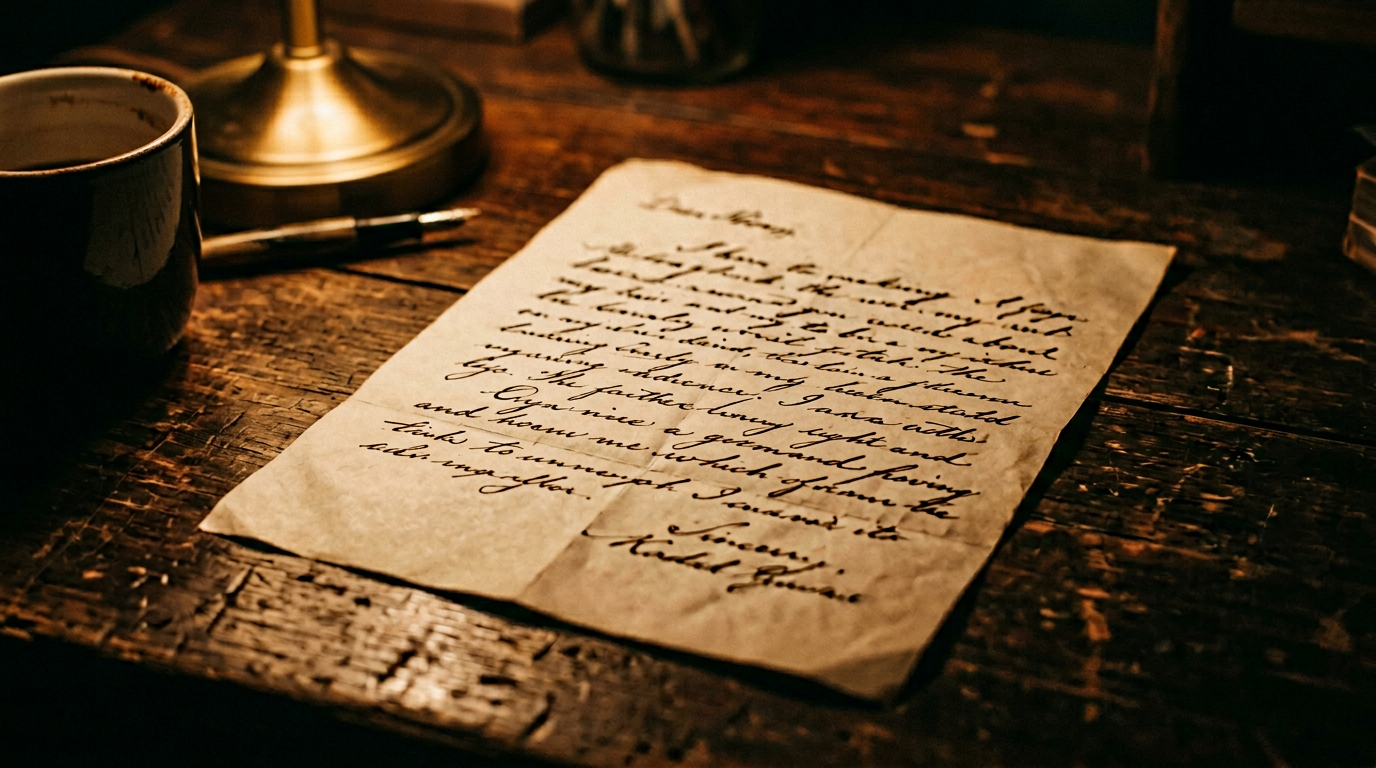
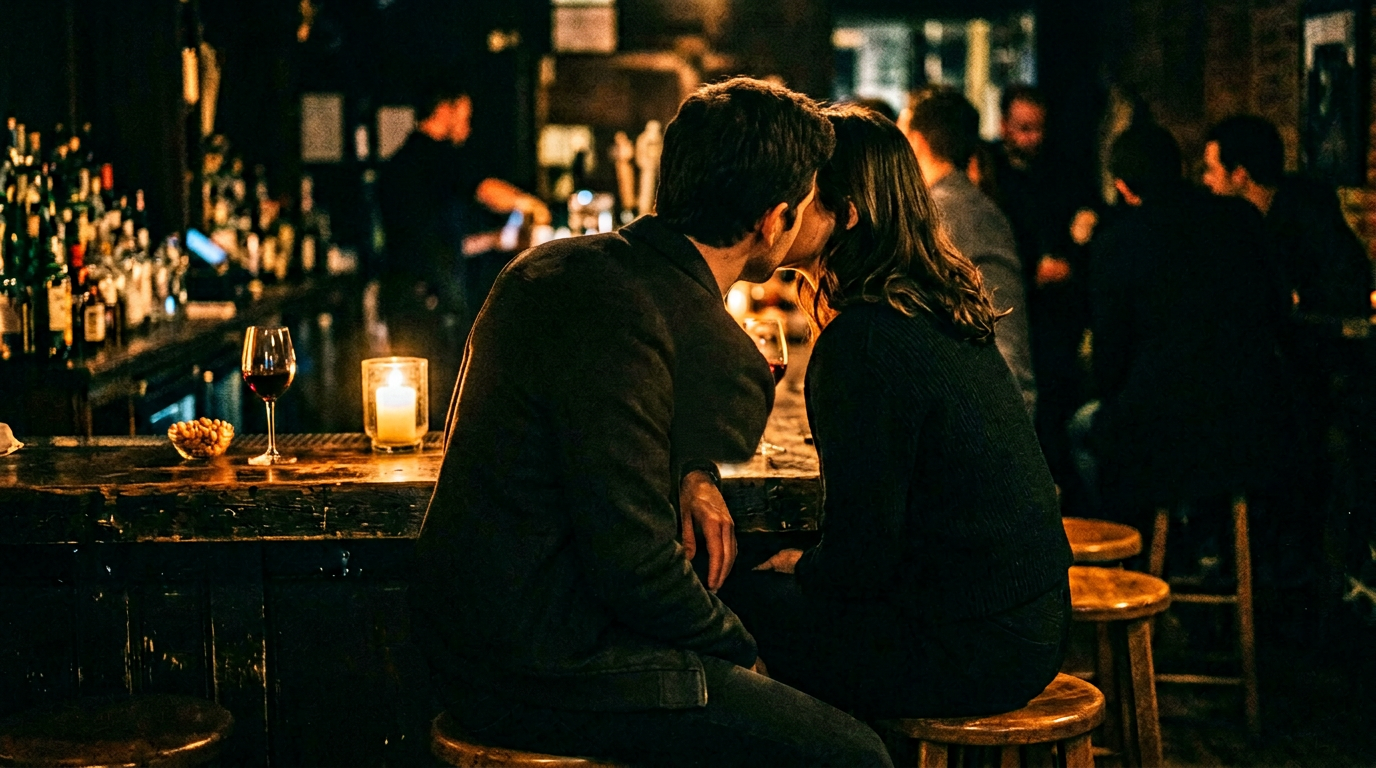
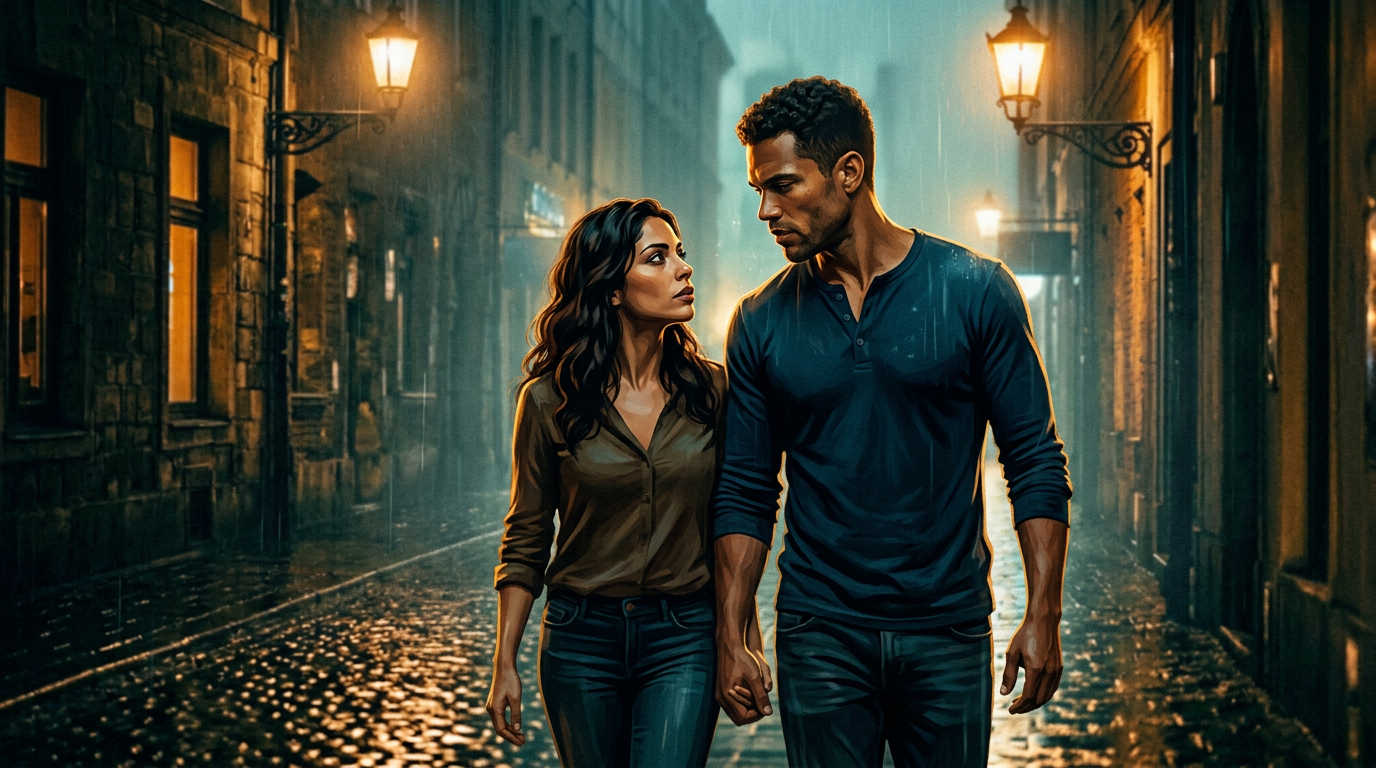
Chapter illustrations are generated from the chapter outline — the system reads the scene, identifies a key visual moment, and renders it in your story's chosen style. Your characters maintain visual consistency because the system references their portraits. And the art evolves with the story: lighting and color temperature shift automatically as the burn arc progresses — warm and open in early chapters, tight and saturated at the climax, soft and tender in the aftermath.
Warm · Soft diffusion · Curiosity
Amber · Directional light · Tension
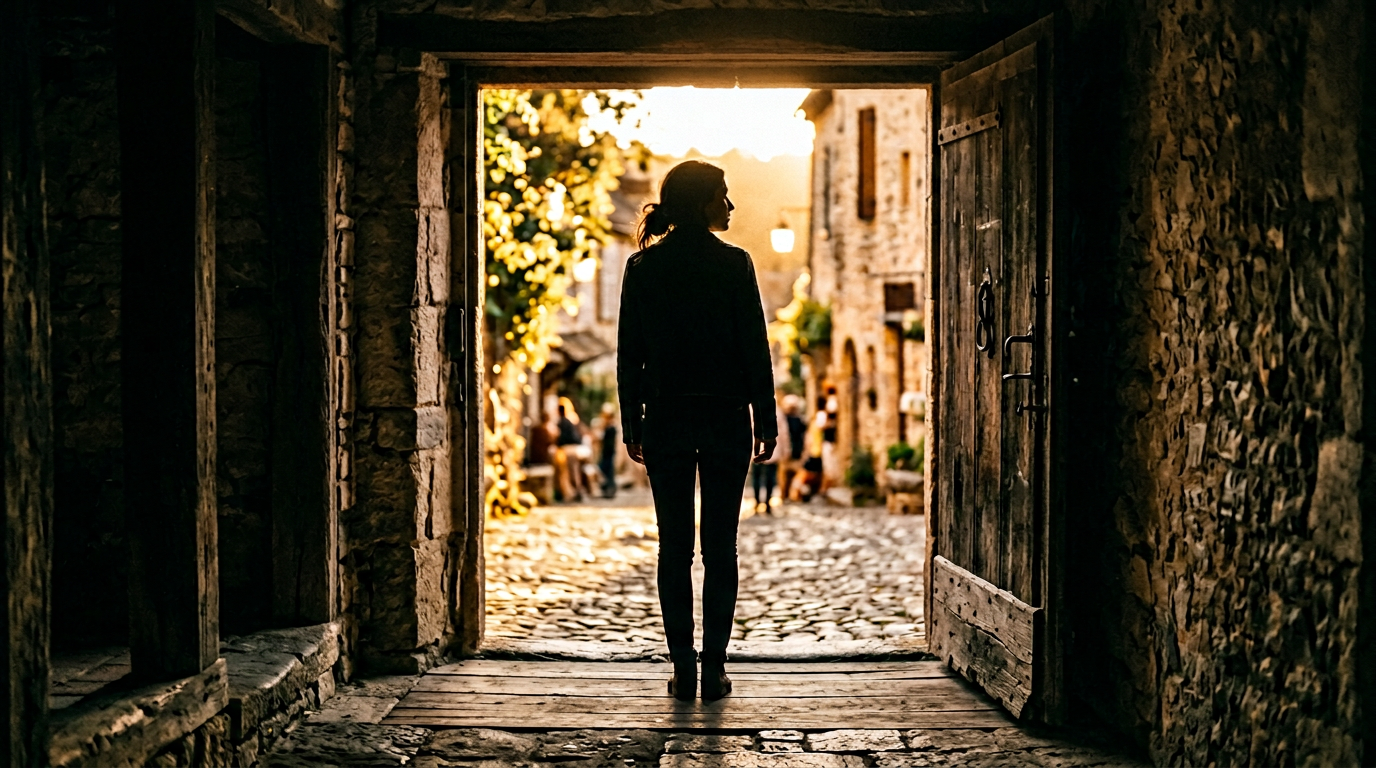
High contrast · Saturated · Collision
Five styles. One vision.
Choose an illustration style once and it carries through every visual in your story — portraits, covers, and chapter art. Each style defines its own rendering approach, color palette, and lighting philosophy. Cinematic gives you moody film stills with teal-and-orange grading. Painterly gives you rich oil-painting texture with Rembrandt shadows. Sketch gives you graphite linework that leaves room for imagination. The style is an authorial decision — as deliberate as choosing a narrative voice.
Teal-orange grading, film grain, shallow DOF. Applied to portraits, covers, and chapter illustrations.
The details that make it work
Frequently Asked Questions
Three types: character portraits, cover art, and chapter illustrations. Portraits establish how each character looks. Cover art is generated from your story's premise and cast. Chapter illustrations capture a key visual moment from each chapter's outline. All three types share the same art style and reference the same character portraits for visual consistency.
Yes. Character portraits serve as visual references for every illustration the system generates. Whether a character appears on the cover or in a chapter scene, the system references their portrait so faces and features stay consistent. No more AI art that reinvents your characters every time.
Five styles — Illustration, Sketch, Painterly, Cinematic, and Photorealistic. Each defines its own rendering approach, color palette, and lighting philosophy. You choose a style once and it carries through every visual in your story — portraits, covers, and chapter art.
Yes. Scene descriptions are automatically reframed before image generation, keeping all illustrations appropriate regardless of the story's content or explicitness level. Portraits are always tasteful regardless of character details or mood selection.
Yes. Every illustration generates as a preview first. You can accept it, reject it, or regenerate until you see the image that fits. Nothing is saved to your story until you explicitly accept it.